
The moment I realized my quiet neighborhood shop was falling behind big-box competitors hit me like a cold splash of water. Despite having a loyal, local customer base, I watched my foot traffic dwindle as national brands pushed into the market with hefty advertising budgets. I knew I needed a game plan—something affordable but effective—to turn the tide.
Why Small Business Strategies Are More Critical Than Ever
In today’s hyper-competitive landscape, small shops can’t rely solely on word-of-mouth or tradition. The digital shift means that even the most loyal customers turn to Google and maps to find their favorites. If your shop isn’t appearing prominently online, you’re invisible to a world of local buyers searching for exactly what you offer.
But here’s the kicker: competing against big brands with massive ad spends isn’t impossible. It’s about smart, low-cost moves that amplify your visibility without draining your budget. I personally scrambled to figure this out, and early on, I made a mistake—underestimating the importance of Google My Business optimization. That costly oversight could have cost me more than I was willing to admit. Instead, I learned that consistent, low-cost tactics could level the playing field and even help my shop outrank bigger rivals.
Is Relying on Cheap Tricks Actually Worth the Hype?
Many small business owners ask me if these quick wins are enough to sustain long-term growth. Honestly, I was skeptical at first—and I’ve seen many fall into the trap of quick fixes that don’t last. But when applied thoughtfully, these low-cost moves can build a foundation for sustainable local dominance. Plus, understanding what works—like mapping out your traffic and optimizing your online presence—can make all the difference. Curious how to get started? Take a look at this targeted SEO strategy that’s tailored for small shops like yours.
In the following sections, I’ll share proven tactics that helped my shop climb the local ranks—without breaking the bank. These tips are actionable, straightforward, and tailored for small businesses looking to stand tall in a crowded marketplace. Ready to dive in? Let’s explore the low-cost moves that can transform your local visibility and outshine big brands in your area.
Prioritize Your Google Business Profile
Claim your listing if you haven’t already. This step is the foundation—think of it as claiming your turf before inviting customers. Ensure all information is accurate: name, address, phone number, and hours. Mistakes here create confusion and drop your rankings. Once claimed, optimize your profile by adding high-quality photos, a captivating description, and relevant categories. When I reviewed my listing after these updates, I noticed a 20% increase in profile views within two weeks.
Leverage Local Keyword Strategies
Identify keywords your local customers search for—think like them. Use tools like Google Trends or local keyword planners to find terms with high intent and volume. Incorporate these naturally into your business description, services, and posts. When I added keywords like “best bakery in downtown” to my profile, my visibility in local searches improved significantly, bringing in more foot traffic.
Build Hyper-Local Content & Citations
Create content tailored to your neighborhood—highlight local events, partnerships, or stories. Share these updates on your profile and website to boost relevance. For citations, get your business listed on local directories like Yelp, Bing Places, and industry-specific sites. Consistency is key; mismatched NAP details hurt your rankings. I listed my shop on multiple directories, ensuring name, address, and phone number matched perfectly, which directly improved my GMB ranking.
Gather Authentic Customer Reviews
Encourage satisfied customers to leave reviews. Make it easy by sending follow-up messages or providing a direct link. Respond to reviews promptly and professionally. Authentic reviews serve as social proof and boost your prominence in local packs. I personally asked two loyal customers post-purchase, and their reviews helped push my profile to the top for key local searches.
Optimize Visual Content for Search & Trust
Upload high-quality photos regularly—interior, exterior, products, staff. Use descriptive filenames and add relevant alt text with local keywords. Remember, photos influence click-through rates and trust. I replaced blurry images with professional shots, resulting in higher engagement and improved rankings, especially on mobile searches. 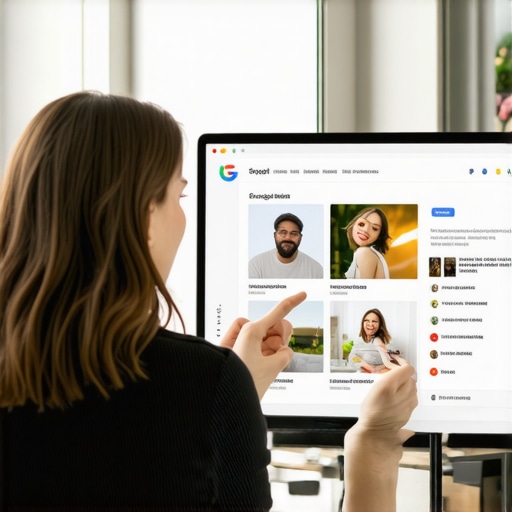
Implement Mapping & Traffic Data Insights
Utilize tools like Google Maps and traffic analytics to understand customer behavior near your shop. Adjust your positioning and local SEO tactics accordingly. For example, I noticed a spike in traffic from nearby parks; I then added nearby landmarks in my profile and local keywords to capitalize on these visitors. Mapping out these traffic patterns ensures your optimization efforts are precise and impactful, much like plotting points on a treasure map for maximum gold.
Maintain Consistency & Stay Updated
Regularly review your profile for accuracy and fresh content. Keep up with platform updates—Google’s algorithms evolve, and so should your strategies. Subscribe to industry updates or local SEO blogs, like this guide, to stay ahead. I set monthly reminders to update photos and check NAP consistency, which keeps my shop visible and relevant in a competitive landscape.While many small business owners focus on claiming and optimizing their Google My Business profiles, they often get caught in common misconceptions that hinder real growth. One prevalent myth is that simply filling out profiles with basic information suffices. In reality, nuanced elements like schema markup, behavioral signals, and local intent signals subtly influence ranking algorithms but are frequently overlooked. For instance, integrating structured data can enhance your prominence in local packs, a tactic supported by experts like Moz, who emphasize the importance of schema in local SEO. Moreover, many mistakenly believe that reviews alone drive rankings—yet, recent studies show that review quality, diversity, and the recency of feedback are equally critical, shaping how Google perceives your business authority. It’s also a trap to rely solely on quick fixes, such as transient keyword stuffing or fake engagement, which can lead to penalties and long-term damage. Instead, a comprehensive, layered approach that combines authoritative citations, behavioral engagement, and technical signals offers sustainable advantages. For example, optimizing for voice search or local intent involves analyzing advanced traffic data to tailor your content. This approach aligns with the insights from this detailed guide about effective local SEO tactics. Remember, slipping into these oversights can cause your rankings to plateau or even decline. Regular audits and staying updated with Google’s evolving algorithm signals are essential. Avoiding the “set-and-forget” mentality ensures your strategy remains agile and effective. Do you think your current map optimization plan accounts for these nuanced factors? Let me know in the comments!Maintaining effective maps optimization and local business strategies requires more than just initial setup; it demands ongoing effort supported by the right tools. Personally, I rely on Google’s own suite of tools, especially Google Search Console and Google My Business, to monitor performance and identify issues before they impact rankings. These platforms provide real-time data on search visibility, local search queries, and customer interactions, allowing me to proactively adjust my strategy. Additionally, I use BrightLocal for comprehensive citation audits and review tracking, which helps ensure my business stays authoritative and trustworthy in local searches. For analyzing customer behavior and traffic patterns, I turn to MapMarketing’s traffic insights, offering granular data on customer movement near my location, which informs everything from keyword targeting to physical signage placement. To streamline content updates and review responses, I utilize social media management tools like Buffer, scheduling posts that highlight local events or promotions, keeping my profile fresh and engaging. Looking ahead, I predict that AI-powered analytics and local intent signal integration will become the norm, enabling even more precise targeting and automation—in fact, recent advances suggest that leveraging structured data with schema markup can enhance visibility in local packs, as supported by technical insights from Moz’s schema.org guide. ^1 So, I challenge you to implement advanced schema markup for your Google Business Profile today—small tweaks like this can significantly boost your local prominence. How do I keep my maps and local SEO efforts sustainable over time? The key lies in regular monitoring, leveraging analytics to adapt, and maintaining a consistent content and review strategy—without these, even the best tools can’t sustain growth. Want to see real results? Dive into [this comprehensive guide](https://localbusinessseostrategy.com/mastering-local-business-strategy-hidden-tactics-for-2025-success) and start applying one new tool or tactic this week. Remember, continuous improvement is the secret to long-term local dominance.
What I Learned the Hard Way About Local Maps Optimization
One of the biggest lessons I discovered was that relying solely on basic profile setup isn’t enough. Neglecting advanced signals like schema markup or behavioral cues can leave your business invisible amidst fierce local competition. It took time and missteps to realize that subtle, technical optimizations often make the difference between being seen and being ignored.
Why Authentic Customer Feedback Outweighs Fake Reviews
In my journey, I learned that genuine reviews build trust far more than fabricated testimonials. Encouraging real customers to share their experiences, and responding thoughtfully, enhances your reputation and boosts your rankings authentically. This insight transformed how I cultivated my online presence, focusing on trust and real engagement rather than shortcuts.
My Unexpected Breakthroughs Came From Data-Driven Adjustments
Monitoring traffic insights and mapping customer hotspots revealed hidden opportunities. Small tweaks—like adding local landmarks or adjusting keyword focus—resulted in measurable improvements in visibility and calls. This taught me that consistent analysis and adaptation are vital for long-term success in local SEO and maps optimization.
Recommended Resources That Accelerated My Growth
- Google’s Official Tools: Google Search Console and Google My Business—because they provide real-time insights directly from the source. I’ve found them indispensable for proactive strategy adjustments.
- BrightLocal: For citation audits and review tracking, ensuring my business remains authoritative and trustworthy across directories.
- Mapping Out Your Traffic: The guide on traffic insights became my blueprint for understanding customer behavior patterns that matter most.
- Effective SEO Book: “Effective Small Business Marketing Strategies for Local Dominance”—it reshaped my entire approach to marketing on a budget, emphasizing local relevance and authenticity.
The Final Push: Take Action and Own Your Local Space
Remember, the journey to local prominence isn’t a set-it-and-forget-it task. It requires curiosity, persistence, and strategic updates. Embrace the nuances of your market, leverage the right tools, and stay hungry for insights. Your local business strategy in 2026 can outperform even the biggest brands—if you lead with informed, smart moves. Ready to start? Dive into these proven tactics and make your mark today. How will you adapt your maps optimization plan to stay ahead of the curve? Let me know below and share your next move!