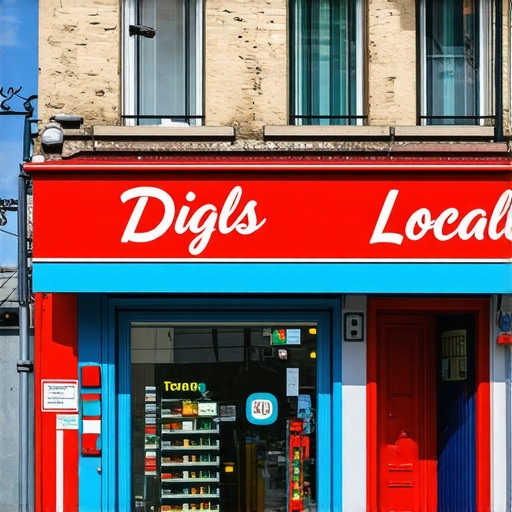
I remember the moment I realized I was getting drowned out by the big guys. My small shop, once easy to find online, suddenly slipped into the shadows of national chains. It was frustrating—like shouting in a crowded room and no one hearing you. That lightbulb moment pushed me to rethink my local SEO approach, especially figuring out cheap, effective ways to stand out. If you’ve ever faced the silence where your business used to thrive, you’re not alone. The good news? There are strategies that can help your local business punch above its weight in search results without draining your budget.
Why Local Search Dominance Matters Now More Than Ever
Everyday, potential customers turn to Google and maps to find nearby shops, restaurants, and services. According to recent studies, over 50% of local searches convert into a visit or a transaction within 24 hours, emphasizing how crucial local SEO has become for small businesses. But competing against big brands isn’t just about having an optimized profile; it’s about smart, cost-effective tactics that can elevate your visibility without expensive ad spend. This is especially important as search algorithms grow more sophisticated, prioritizing authentic engagement and local relevance.
However, early on in my journey, I made a mistake that many newcomers do—I overlooked the importance of consistent, genuine engagement with local customers. I thought just having a Google profile was enough. Spoiler: it’s not. Failing to focus on building trust signals and local relevance often results in being invisible when it counts. That’s why I started exploring inexpensive yet powerful tactics to punch through the noise and appear right where my community searches for my services.
If you’re tired of watching your competitors dominate local results while your profile stays hidden, don’t worry. There are proven, budget-friendly methods to turn the tide. And today, I’ll walk you through the six simple, cost-effective ways I used—and that you can start implementing today—to drown out big brands and come out on top in local search.
The Key to Winning Local Search: Focus on What Truly Matters
Let’s be honest—big brands often outspend us on ads and PR. But they can’t buy trust and local loyalty as easily as we can with the right strategies. It’s about using smart, targeted tactics that leverage your unique position in the community. From optimizing your Google Business Profile to engaging with local reviews, there’s a clear path to heightened visibility—and it doesn’t require a hefty wallet.
Ready to learn the practical steps? First, I want to address a common skepticism I had early on—”Are these tactics really worth the effort?” Well, I’ll admit I was skeptical too. But after experimenting and seeing results, I can confidently say that strategic local SEO can be a game-changer, especially when you avoid the typical pitfalls like inconsistent profiles or ignoring local reviews. For an in-depth look at those mistakes and how to avoid them, check out [this detailed guide](https://localbusinessseostrategy.com/mastering-local-business-strategy-hidden-tactics-for-2025-success). Now, let’s dive into the first tactic that shifted my local visibility—ah, the power of targeting the right signals.
Optimize Your Google Business Profile for Maximum Impact
Your Google Business Profile (GBP) is the cornerstone of local SEO. To stand out, claim and verify your listing promptly. Ensure all information is complete, accurate, and consistent across platforms. Add high-quality photos that showcase your shop’s ambiance and products—these images work like digital storefronts, enticing local customers. Use relevant keywords naturally in your description, emphasizing what makes your business unique in the community. Regularly update your hours, posts, and respond to reviews to signal active engagement to search engines. Remember, a well-maintained profile can increase visibility significantly without added costs. For detailed profile optimization strategies, visit this Google Business Guide.
Harness the Power of Local Reviews and Engagement
Reviews act as social proof, influencing local search rankings and customer decisions. Start actively soliciting reviews from satisfied customers: politely ask after a purchase or service, and make the process easy. Respond promptly and authentically to reviews, addressing concerns and thanking patrons. This not only boosts your reputation but also signals to Google that your business is trusted and engaged. Incorporate review management into your routine—consistent effort here is more cost-effective than paid advertising. Check this guide for innovative review strategies tailored for 2026.
Implement Local Content That Connects
Create content that resonates with your local audience—blog posts, social media updates, or community event participation. Share stories about local collaborations, customer spotlights, or regional events. Use local keywords thoughtfully, embedding them naturally within your content to improve relevance in search queries. Engaging with community platforms and local forums can amplify your reach—think of it as word-of-mouth in digital form. This approach builds trust signals that search engines prioritize, leading to better rankings without paid efforts. For actionable content ideas, explore effective marketing strategies.
Leverage Local Link Building and Citations
Build relationships with local bloggers, news outlets, and other businesses to earn valuable backlinks and mentions. Local citations—mentions of your business name, address, and phone number (NAP)—must be consistent everywhere. Submit your info to reputable local directories, industry-specific listings, and community boards. These citations boost your local search signals, making it more likely your shop appears in relevant queries. Use tools like semantic SEO tactics to refine your citation strategy and avoid duplicate listings.
Optimize Your Site for Local Search Intent
Your website must align with local search behaviors. Incorporate location-specific keywords into your page titles, headers, and meta descriptions. Embed a map with your shop’s precise location, making it easy for both users and search engines to identify your physical presence. Use schema markup for local business information to enhance your search listings—these microdata snippets act like a roadmap for search engines, boosting your chances of appearing in rich results. An optimized website complements your GBP efforts and provides a seamless experience for local visitors, turning clicks into customers. For step-by-step guidance, see this comprehensive plan.Many small businesses fall into the trap of believing that simply optimizing their Google Business Profile or building a few citations will guarantee local visibility. In reality, this approach overlooks the nuanced, layered strategies needed for sustained growth. One widespread misconception is that local SEO is primarily about keyword stuffing and backlinks; however, expert insights reveal that user experience signals—like engagement, trust, and relevance—play a more significant role, especially as search algorithms evolve (source: targeted SEO insights). Another myth is that paying for ads is the only route to immediate results, but organic, well-crafted local strategies can outperform paid efforts in the long run, especially when aligned with community engagement and optimized maps plans.
However, beware of the common oops: over-optimizing profiles for keywords can make listings seem spammy and erode trust. Instead, focus on authentic content and genuine interaction, which search engines increasingly reward. Advanced practitioners also understand that local search rankings are influenced by a complex interplay of signals, including review quality, website relevance, and the consistency of local citations across platforms. Neglecting these factors, or assuming quick fixes are enough, can lead your efforts astray.
Curious about the deeper, often overlooked aspects of local SEO? For example, many overlook the impact of *store proximity factors* and *search intent alignment*, which are crucial for dominating local map packs. According to recent studies, 60% of consumers prefer businesses that show up in the top three local results and align with their specific local intent, emphasizing the need for nuanced, strategic planning (see map optimization tactics).
Remember, the key is to think beyond the basics and embrace a comprehensive approach that combines technical finesse with community relevance. For more advanced insights, check out the detailed guide on mastering local business strategy [here](https://localbusinessseostrategy.com/mastering-local-business-strategy-hidden-tactics-for-2025-success). Have you ever fallen into this trap? Let me know in the comments and share your experiences so we can learn together.
Maintaining a strong local SEO presence requires the right tools and consistent effort. Personally, I rely heavily on BrightLocal because it offers comprehensive local citation management, review tracking, and rank monitoring all in one dashboard. This integration allows me to identify and correct citation inconsistencies swiftly, which is critical for sustaining map pack rankings. Additionally, I use Google Search Console to track website performance and spot technical issues that could hinder visibility. Regular audits with these tools help me stay ahead of algorithm shifts and ensure my efforts yield long-term results. As search trends evolve—especially with AI integrating into search algorithms—I predict that automation and data-driven tools will become even more central to how small businesses manage local SEO effectively.
How do I maintain my local SEO over time? The key is consistent monitoring, updating, and leveraging insights from these tools to adapt swiftly. For example, I schedule weekly reviews of my online reputation metrics, respond to new reviews promptly, and refine my local content based on recent search behavior data. Moreover, I regularly audit my citations to ensure uniformity across all directories, which bolsters my local relevance. Incorporating feedback from tools like BrightLocal helps me keep my map optimization plan aligned with changing search landscapes, such as recent Google updates on local prominence (see this recent guide). Tackle one area at a time, and don’t neglect the importance of automation—often overlooked but vital for long-term success.
What techniques can ensure your local SEO stays resilient?
One advanced tactic I recommend is setting up photo verification campaigns using dedicated tools like Google My Business app. Authentic images, regularly updated, improve your profile’s trust signals and can directly influence your rank in local packs. You might also consider employing schema markup for your website, which helps search engines understand your local relevance better. According to Moz’s SEO guide, implementing structured data can give your listings a visibility boost, especially in competitive markets. Make it a habit to revisit and optimize these technical elements quarterly to keep pace with Google’s ever-changing algorithms.
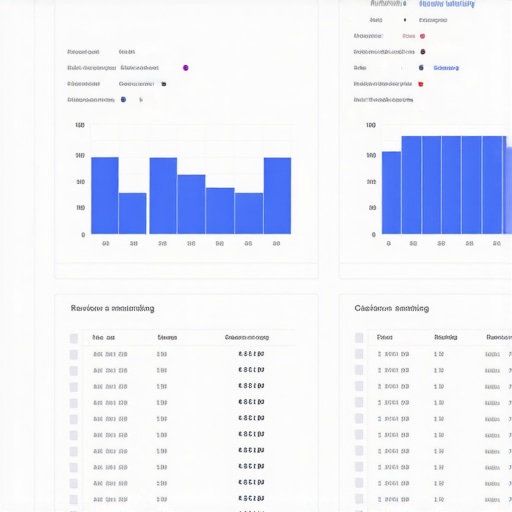
Image depicts a professional dashboard showing local citation metrics, review scores, and map rankings, illustrating ongoing local SEO management.
To truly stay ahead, try integrating AI-powered analytics into your routine. These tools can analyze search patterns and predict upcoming shifts in local search behavior, giving you a strategic edge. Incorporating such data-driven insights now can prepare your business for the future of hyper-local SEO. Don’t wait—start experimenting with automated monitoring today and experience firsthand how it can transform your long-term growth strategy. Remember, consistency and adaptability are your best allies in this ever-evolving landscape, so leverage the right tools to keep your business visible and thriving.
The Toughest Lessons I Ran Into While Growing My Local Business
- Consistency Over Quick Fixes: I used to chase instant results instead of building sustainable habits. When I started focusing on *consistent engagement*—responding to reviews, updating profiles regularly—the visibility of my shop slowly improved. Patience truly pays off in local SEO.
- Authenticity Trumps Keyword Stuffing: Early on, I thought cramming keywords was enough. But real trust came when I shared genuine stories about my community efforts and highlighted authentic customer experiences. Search engines learned to reward real relationships, not just keywords.
- Community Engagement Matters More Than Backlinks: Instead of obsessing over backlinks, I found that participating in local events and helping other small businesses created powerful local signals. These interactions boosted my reputation and search visibility organically.
- Mobile Optimization Cannot Be Ignored: I underestimated the importance of mobile-friendly design. Once I optimized my site for mobile, I noticed a surge in local traffic—people searching on their phones want quick, easy access that matches their intent.
Tools That Keep My Local SEO Game Strong
- BrightLocal: I rely on this for citation management and review tracking. It simplifies monitoring my reputation and keeps my profile consistent across platforms, which Google loves.
- Google Search Console: Regular checks here help me spot technical issues early, ensuring my website remains search-friendly and sharp.
- SEMrush: This tool provides insights into local keyword opportunities and competitive analysis, guiding my content and optimization efforts effectively.
- Local SEO Checklist from this resource: It keeps me aligned with the latest best practices and algorithm expectations for 2026.
Keep Your Drive Alive—Your Local Business Deserves It
Remember, small steps today build a resilient local SEO foundation tomorrow. Stay consistent, be genuine, and leverage the right tools to adapt to changing algorithms. Your community is out there searching for your services—make sure they find you. Are you ready to step up your local SEO game and truly connect with your audience? Share your biggest challenge or win below, and let’s grow together!