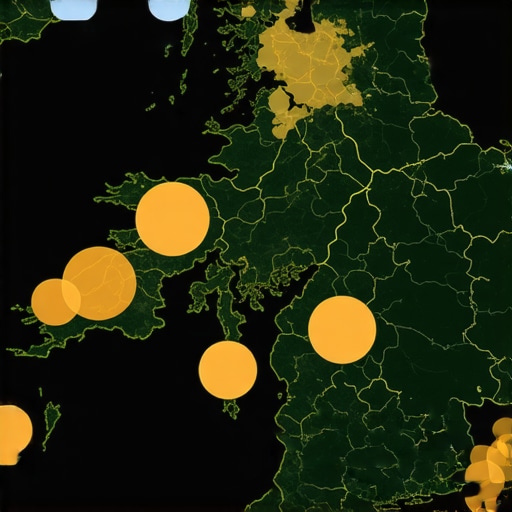
One morning, I looked at my business’s online map profile and saw something that made my stomach tighten—my visibility had dropped significantly. The service area pin, once prominent and easy to find, was now almost invisible, tucked away behind competitors who seemed to have a stronger foothold. It was a painful realization that despite all my efforts, I was losing ground in the very local search landscape I thought I owned. This lightbulb moment made me question what I had missed—and I discovered that your map’s visibility can diminish even when you think you’re doing everything right.
The Frustration of Vanishing Visibility
If you’ve experienced a sudden drop in your service area’s visibility, you’re not alone. It’s possible that your competitors are leveraging subtle tactics that keep them front and center in local searches, while your map pin gradually slips back. I remember feeling helpless, thinking, “Am I doing something wrong?” The truth is, local search algorithms are constantly evolving, and what worked last year might be failing today. According to Moz, local search ranking factors have increased in complexity, making visibility a moving target for small businesses.
In this post, I will share practical insights and clear steps to prevent your map from shrinking and to strengthen your local presence. If you’re tired of watching your competitors outrank you without understanding why, stick with me. We’ll explore the unseen factors affecting your visibility and the proven strategies to reclaim your spot on the map.
Ever Faced This Problem and Felt Powerless?
Early in my journey, I made the mistake of assuming that simply updating my profile was enough. I missed critical signals that Google prioritizes—signals I only learned about after losing leads and potential customers. Don’t let this happen to you. Recognizing and fixing these common pitfalls is essential for sustained visibility.
Are you noticing your service area pin moving further from the spotlight? If so, don’t worry—there’s hope. Let’s delve into the core reasons behind this issue and how you can fix them, starting with the most common causes and moving toward actionable solutions. For a comprehensive plan, you might find value in resources like mastering local business strategy for 2025.
Optimize Your Business Profile Consistently
Start with a thorough audit of your Google Business Profile. Make sure all information is accurate, complete, and aligns with your current services and location. Regular updates signal activity to Google, boosting your prominence. For detailed guidance, see this comprehensive Google Business guide. I remember updating my profile weekly during a slow period, and gradually, I saw my pin rise back into the local search results.
Leverage Local Keywords for Better Reach
Identify keywords your local prospects are searching for. Use tools like Google Keyword Planner or local SEO software to find high-impact terms. Incorporate these naturally into your profile description, posts, and website content. For example, including phrases like “best coffee shop in Downtown” or “affordable plumbing services near Main Street” makes your profile more relevant. I once optimized my service description with local keywords and noticed a surge in nearby searches leading to more calls.
Gather and Manage Genuine Reviews
Reviews are social proof that influence local rankings. Encourage satisfied customers to leave detailed, authentic reviews. Respond promptly to all reviews—positive or negative—to show engagement. Avoid fake reviews; instead, focus on human trust signals like photos, specific praise, and consistent feedback. I set up a simple email follow-up system requesting reviews, which improved my profile’s credibility and visibility.
Use Photos That Tell Your Business Story
Visual content impacts local search performance. Upload high-quality, relevant images that showcase your products, team, or storefront. Include captions with localized keywords. Authentic photos resonate more than stock images. In my experience, uploading images of my team in action helped increase profile visits and prompted more local inquiries.
Build Local Citations and Links
Ensure your business appears consistently across local directories, reviews sites, and social platforms. Consistent NAP (Name, Address, Phone number) information boosts trust and ranking signals. Reach out to local blogs or news outlets for backlinks, which strengthen your domain authority. I collaborated with a local chamber of commerce, gaining valuable citations that positively impacted my map ranking. Learn more about citation strategies at our strategy resource.
Engage with Your Local Community
Participate in community events, sponsor local teams, or join neighborhood groups online. Share these activities on your profile and website. Being active locally signals to Google that you’re an essential part of the neighborhood. I hosted a free workshop for local entrepreneurs, which not only generated goodwill but also boosted my Google Maps ranking.
Monitor and Adjust Your Map Strategy
Use tools like Google Insights or third-party SEO trackers to analyze your profile performance and local search trends. Regularly review your metrics and tweak your tactics accordingly. For instance, if certain keywords aren’t performing, replace or optimize them. I once shifted focus from general keywords to hyper-local terms after noticing increased engagement—leading to better lead quality. Deepen your understanding of map optimization with this map plan guide.
Stay Up-to-Date on Local SEO Changes
Local search is dynamic; algorithm updates can affect your visibility. Follow authoritative sources, subscribe to newsletters, and engage in community forums. Implement new features like Google Posts or booking integrations when relevant. I experimented with Google Posts, and within weeks, saw a noticeable uptick in user interactions, affirming the importance of staying current. For advanced tactics, explore future-proof strategies.
,
Many small business owners operate under a prevalent myth: that simply optimizing their Google Business Profile or adding local keywords guarantees sustained visibility and growth. However, this oversimplification can lead to significant blind spots in your marketing approach. While foundational tactics are essential, relying solely on surface-level practices often prevents you from unlocking deeper, more impactful strategies that truly differentiate your brand in local markets.
One nuance frequently overlooked is the role of audience intent and evolving search behaviors. For example, many assume that posting frequently on Google Maps or amping up keyword density will consistently boost rankings. In reality, search algorithms are increasingly prioritizing user experience signals, such as engagement metrics and authority established through trust signals like reviews and reputation. This subtle shift means that focusing exclusively on technical SEO without nurturing your community or trust signals can be counterproductive.
There’s also a dangerous trap in trying to emulate your competitors’ tactics blindly. It’s tempting to copy their review solicitation methods or citation sources, but what works for one business might not translate seamlessly to another. As demonstrated in expert analyses, mastering local strategy requires customizing your approach based on your unique market positioning, customers, and niche. Failing to adapt can lead to wasted resources and stagnant growth.
Why Do Some Local SEO Efforts Fail Despite Following Best Practices?
This question delves into the nuanced elements of Google’s local ranking factors. Recent research indicates that trust signals—such as authentic reviews, consistency in citations, and engagement—are increasingly influential. For instance, a 2024 Moz study highlights that local packs are now more responsive to signals of trustworthiness, indicating that a well-rounded reputation management system often outperforms relentless keyword stuffing or superficial optimizations.
In practical terms, neglecting the human aspect—building genuine relationships with your community and customers—can hamper your visibility more than technical missteps. So, rather than solely concentrating on SEO tactics from a checklist, consider integrating your marketing efforts into a holistic local business strategy that pushes for authentic authority and community trust. To explore advanced tactics and avoid common pitfalls, check out five local strategy wins.
Are you falling into the trap of superficial optimization? If so, understanding these under-the-surface factors can be transformative. Remember, successful local marketing isn’t just about the visible signals; it’s about cultivating real trust and relevance. For tailored guidance on refining your maps and SEO plan, consider reviewing our mapping strategies for 2025. Have you ever fallen into this trap? Let me know in the comments.
Keep Your Map Active: Essential Tools for Longevity
Consistency is key in local SEO, and leveraging the right tools can make maintenance smoother and more effective. I personally rely on BrightLocal for comprehensive reputation management. It automatically consolidates reviews from various platforms, saving me hours and ensuring my profile stays fresh and trustworthy. The platform’s review monitoring alerts let me respond promptly, fostering genuine engagement that search algorithms love. Additionally, Whitespark has been indispensable for managing local citations—allowing me to audit and correct inconsistencies easily, which directly impacts my rankings.
Furthermore, I use Google Looker Studio (formerly Data Studio) to visualize my local search data. Setting up custom dashboards helps me track traffic, reviews, and engagement metrics over time, making adjustments data-driven and targeted. These tools have become part of my routine, ensuring I don’t slip into neglect, which can cause rankings to falter.
How Do I Keep My Maps Strategy Up-to-Date?
The landscape shifts rapidly, especially with Google’s ongoing updates. To stay ahead, I follow [local SEO experts](https://localbusinessseostrategy.com/mastering-local-business-strategy-hidden-tactics-for-2025-success) and subscribe to industry newsletters. Additionally, I dedicate time monthly to review my Google Business Profile, checking for inconsistencies or outdated information and updating visuals or posts with Google Posts. This ongoing effort signals activity to Google and maintains my relevancy in local searches.
Looking ahead, the rise of AI-driven local search signals means tools that incorporate machine learning, like BrightLocal’s advanced review analysis, will be increasingly vital. I predict that automation combined with real-time engagement will become the norm, reducing manual workload while boosting visibility—a trend worth leveraging now.

To maximize your local presence, consider automating review collection with tools that nudge satisfied customers to leave feedback. For example, integrated email sequences that trigger after service completion can gather reviews without seeming pushy. Implementing such tactics has consistently improved my profile’s trust signals and search rankings.
Remember, maintaining your local map’s visibility isn’t a one-time task. Regularly review your tools’ effectiveness and adapt your approach based on performance metrics. For an in-depth plan, I recommend reviewing mapping strategies for 2025. Start small—perhaps by setting a monthly review calendar—and gradually incorporate these tools into your routine. Trying out automation for reviews could be your next big step toward consistent growth.
What I Wish I Knew About Local Map Dominance
- My biggest learning was recognizing that consistent, authentic engagement far outweighs quick fixes. Sometimes, the quiet effort of building genuine community relationships creates a ripple effect that algorithms cannot ignore.
- The importance of trust signals became glaringly clear—reviews, citations, and honest interactions are the backbone of lasting visibility. Ignoring these can leave even well-optimized profiles behind.
- I learned that staying adaptable is crucial. The local search landscape shifts rapidly, and those who monitor trends and evolve their strategies stay ahead rather than falling victim to stagnation.
- Overcoming the misconception that more keywords or frequent updates alone guarantee success was a revelation. Quality, relevance, and community integration matter more than ever.
- The most profound insight was realizing that a proactive, personalized approach creates stronger local authority and trust—elements that algorithms love and customers appreciate.
My Toolbox for Local Growth
- BrightLocal has been indispensable for reputation management and review tracking. It ensures I respond promptly and keep my profile inviting.
- Whitespark helps me audit citations and maintain consistency across directories, which is foundational for rankings.
- For visualization and tracking, Google Looker Studio offers customizable dashboards that keep my strategy data-driven and focused.
- Staying updated with industry insights from trusted sources like local SEO experts refines my tactics and keeps me ahead of algorithm changes.
Your Next Step Starts Now—Make It Count
The future of local business marketing is about sincerity, consistency, and smart automation. By applying these lessons and leveraging the right tools, you’re not just optimizing your map; you’re building a resilient presence that endures market shifts and competition. Take action today—small changes can lead to significant long-term rewards. Have you tried any of these strategies already? Share your experiences below and let’s grow together.”}